
Skip to Content Skip to Navigation Skip to Offers
What is Gold Vermeil Jewellery? | Peoples Jewellers
Your Ultimate Guide to Gold Vermeil Jewellery

This guide will explain what gold vermeil is, its benefits, and how to properly care for it to ensure long-lasting brilliance. Pronounced "vehr-may," gold vermeil is a jewellery technique where a layer of gold is applied to sterling silver using an electric current. To meet the standard for gold vermeil, the gold layer must be thicker than regular plating, offering improved durability and quality compared to traditional gold-plated jewellery.

A key difference between gold vermeil and standard gold plating is the metal base. Gold vermeil must have a sterling silver base, while gold-plated jewellery is often applied over more common and less valuable metals such as brass or copper. This makes gold vermeil a more premium and lasting option compared to traditional gold-plated jewellery.

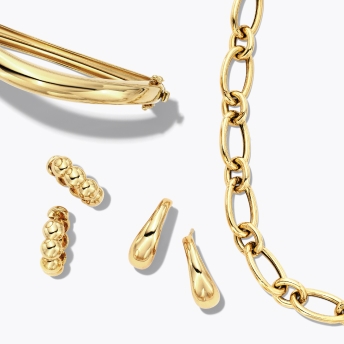
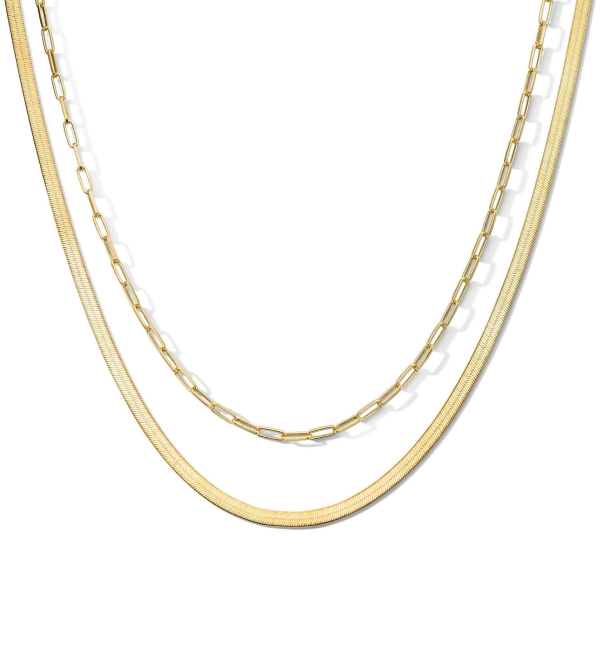
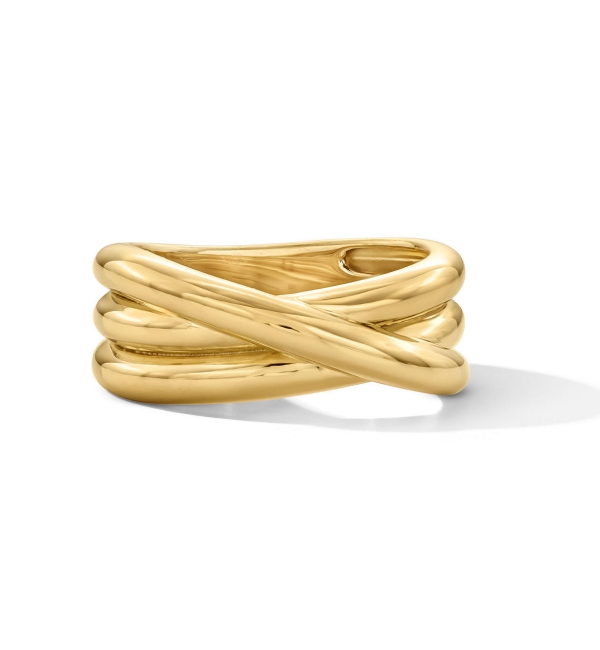
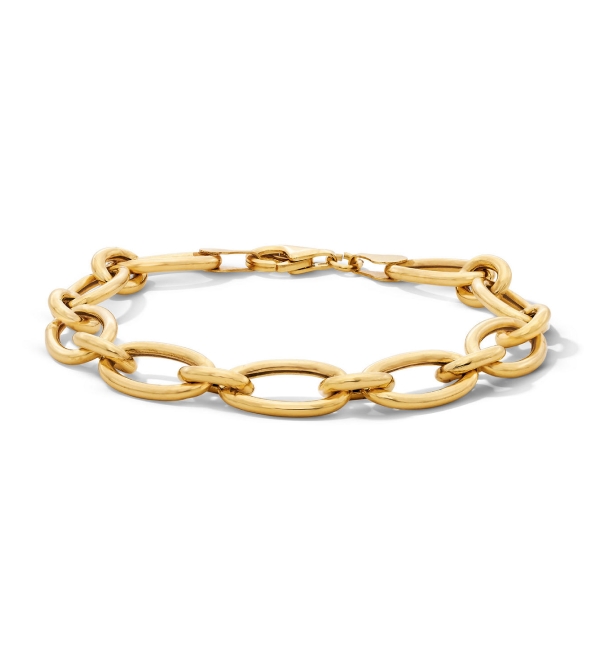
All our gold vermeil jewellery features a coating of 2.0 microns (1 micron = 1 thousandth of a millimeter) in 18K & 24K gold. This substantial layer of gold ensures a luxurious finish while maintaining affordability. Gold vermeil can be crafted in yellow, white, or rose gold, with our collection featuring stunning yellow gold vermeil jewellery for its warm and timeless appeal.

How to Care for Gold Vermeil

Proper care is essential to preserve the beauty and longevity of your gold vermeil jewellery. Follow these tips to keep your pieces looking their best:

• Gently wipe your gold vermeil jewellery with a soft or microfiber cloth to remove sunscreen, lotions, makeup, or perfumes that may dull its shine.

• Avoid using abrasive materials that could scratch the gold layer.

• Store carefully with other jewellery to prevent pieces from rubbing together. This can be done with soft cloths or jewellery pouches.

• Always remove your gold vermeil jewellery before swimming, showering, or exercising to protect it from moisture and chemicals.

• Avoid ultrasonic jewellery cleaners, as they can damage the gold layer.

Yes, gold vermeil is made with real gold. Each gold vermeil piece begins with a sterling silver base — a high-quality alloy consisting of 92.5% pure silver and 7.5% other metals, typically copper. A thick 2.0 microns of gold is then layered over the silver using electrolysis, helping enhance the pieces' durability while creating a vibrant appearance. Gold vermeil offers the beautiful look of solid gold jewellery at a more accessible price point.

Gold vermeil jewellery can be more resistant to wear compared to other gold-plated options. This is due to the combination of a thicker gold layer and sterling silver base, where the gold layer acts as a protective barrier against oxidation.

Over time, gold vermeil may develop some tarnish, especially if exposed to moisture, chemicals, or improper storage. However, when treated with proper care as we have outlined above, tarnish can be minimized, and the jewellery can maintain its brilliance for years.

With proper care, gold vermeil jewellery can last for many years thanks to its solid sterling silver foundation and thick layer of real gold. Regular cleaning, careful storage, and avoiding harsh chemicals will help extend its lifespan.

Gold plating and gold vermeil both involve coating a base metal with a layer of gold. The main difference is the thickness and quality of the gold layer.

Gold Plating: Typically involves a thin layer of gold (often less than 0.5 microns) applied to a base metal, such as brass or copper. It is less durable and more prone to wear.

Gold Vermeil: Involves a thicker layer of gold (at least 2.0 microns) over sterling silver. The gold used is usually of higher quality, often 10k or more. Vermeil is more durable and hypoallergenic compared to standard gold plating.

Ion plating is a process that creates a durable, hard, and corrosion-resistant coating on jewellery. It is typically plated over stainless steel, which is coated by a vapor of titanium or gold properties. Ion plating involves vaporizing metallic atomic-sized particles onto the surface of another material (usually stainless steel) in a vacuum chamber. The result is a thin yet hard and scratch-resistant surface that can mimic the appearance of gold, silver, or other metals.

Numbered stamps on plated jewellery indicate the gold’s purity or the type of plating. Some common examples include:

925 (Sterling Silver): Often used in gold vermeil, indicating the base metal is sterling silver.

GP (Gold Plated): Indicates that the piece has a thin layer of gold.
HGE (Heavy Gold Electroplate): Represents a thicker layer of electroplated gold.

GF (Gold Filled): Indicates a thicker layer of gold bonded to a base metal.

18KGP: Denotes that the gold plating is of 18-karat purity.

These marks help consumers understand the quality and composition of the jewellery piece.